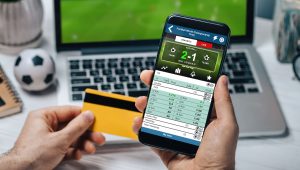

Most fans watch the ball. Heatmap bettors watch everything else. They’re not interested in highlight moments, flashy goals, or big plays. Instead, they follow where players move, where they stand, and where they hesitate. They use heatmaps, the visual tracking of player motion, to predict what happens long before the scoreboard changes at platforms like 20Bet.
The Shift From Stats to Space
Traditional bettors focus on numbers: shots, assists, win ratios, and possession. Heatmap bettors focus on geometry. They study how players occupy the field. They measure territory and pressure zones. To them, the game isn’t about what happened; it’s about where it happened and where it keeps happening.
Reading the Red Zones
On heatmaps, the brightest red areas show high activity. For heatmap bettors, these zones are pressure maps. If the red cluster shifts closer to the opponent’s goal as the match progresses, they expect a breakthrough. If the heatmap shrinks toward a defensive third, they expect a collapse. They bet not on score, but on spatial dominance.
The Value of Predicting Before the Crowd
Heatmap bettors don’t wait for goals to place wagers. They act when the pattern is forming. A quiet match with no shots might still show a creeping buildup toward an attack zone. They look at field saturation and territory before casual viewers even sense danger. Their advantage is timing.
Live Betting and the Map of Momentum
During live matches, heatmap bettors monitor the ongoing changes in real time. They watch for patterns:
- Shrinking zones during fatigue
- Midfielders are creeping higher in confidence
- Defenders drifting toward panic clearances
When the map moves, the odds move—sometimes seconds later. Heatmap bettors try to strike before sportsbooks adjust.
The Hidden Role of Substitutions
Substitutions don’t only change the lineup—they change the heatmap. A fresh winger reshapes the territory on their side. A defensive sub thickens the back line. A tired striker replaced by a faster one stretches the field. Heatmap bettors track these transitions like stock traders watch market shifts.
Why Some Gamblers Swear by Heatmaps
They say heatmaps reveal what statistics can’t. A striker might score zero goals but still dominate territory by dragging defenders out of position. A team might take fewer shots but occupy better zones. Heatmap bettors argue that movement—not stats—decides matches.
The Dark Side: Obsession With Patterns
Some heatmap bettors become too devoted to spatial logic. They treat heatmaps as the unquestionable truth. They forget that sports contain chaos, emotion, and luck. A perfect setup can fail. A sloppy buildup can succeed. Heatmaps predict intention—but not destiny.
Heatmap Betting Beyond Soccer
The practice is growing across sports:
- Basketball heatmaps track shot pockets and defensive pressure
- Tennis heatmaps track serve zones and movement control
- Hockey heatmaps track puck pressure and lane dominance
Anywhere movement happens, heatmaps gain value. Bettors follow the motion like investors follow charts.
The Skill Curve
Heatmap betting requires patience. Many beginners study the maps but react too late. Experts anticipate a shift before the color thickens. They learn how long spatial dominance takes to convert into points. They time bets around tempo, stamina, substitutions, and momentum.
The Disconnect Between Fans and Heatmap Bettors
Fans get emotional when a referee calls, a missed shot, or a mistake happens. Heatmap bettors don’t react. They stare at zones. They wait for space to tell the truth. They bet based on the unfolding geometry of the match—not the noise surrounding it.