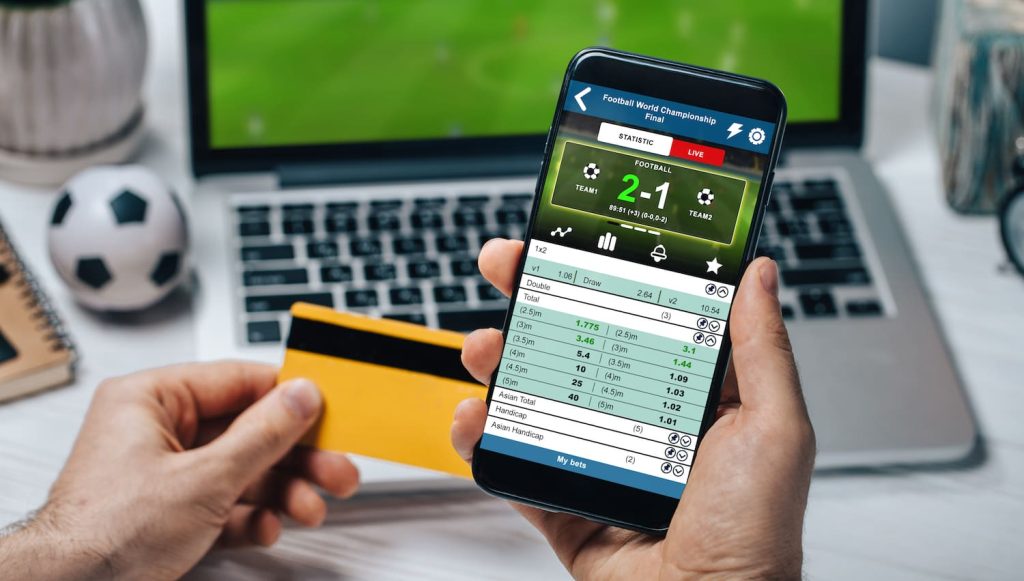

Live dealer games have reshaped the online casino landscape, blending the convenience of digital play with the realism of brick-and-mortar casinos. These games don’t just deliver live action—they influence how players think, react, and make decisions. Understanding these effects can help both operators design engaging experiences and players make more informed choices.
Psychological Impact of Live Dealers
The presence of a live dealer adds a social and human element to online gambling. Players are no longer interacting solely with software; they are responding to a person who communicates in real time. This can increase engagement but also subtly influence decision-making.
Seeing a dealer’s reactions or hearing their voice can create a sense of trust or social pressure. Players may bet more conservatively or aggressively depending on the dealer’s pace, demeanor, or even facial expressions. Awareness of these psychological triggers is essential for responsible gameplay.
Social Presence and Trust
Live dealers create what psychologists call “social presence,” making online play feel more real. Players often feel accountable for their decisions, similar to a physical casino.
- Trust enhancement: Players are more likely to believe in fair outcomes when a human is dealing cards or spinning the wheel.
- Peer influence: In multi-player tables, observing other players’ bets can sway choices, creating conformity or risk-taking behavior.
- Emotional cues: Dealers’ expressions, tone, and reactions can encourage players to continue or increase wagers.
These dynamics can be subtle but impactful, affecting both short-term betting patterns and overall player strategy.
Decision-Making Under Real-Time Pressure

Live dealer games unfold in real time, requiring quick reactions. Unlike digital RNG games where players can pause or think indefinitely, live tables introduce natural pacing.
This can lead to impulsive decisions, especially under pressure. Players may rely more on intuition or heuristics—mental shortcuts—rather than deliberate analysis. Understanding this can help operators optimize table speeds while helping players maintain control.
Quick Checklist for Players:
- Pace yourself—don’t let live tempo force hasty bets.
- Observe the table for patterns but avoid over-interpreting streaks.
- Use pre-set betting limits to reduce impulsive decisions.
- Recognize emotional responses to dealer cues or other players’ bets.
Risk Perception and Betting Behavior
Live interaction changes how players perceive risk. Human presence can make losses feel more personal, increasing emotional engagement. Conversely, wins may feel more rewarding when celebrated in real time.
Behavioral studies suggest that players may increase bet sizes after a dealer congratulates a win, or conversely, reduce wagers when sensing dealer disapproval. Operators can use these insights to enhance engagement, but players should remain mindful of the psychological effects.
Impact Table:
| Factor | Influence on Decision-Making | Player Tip |
|---|---|---|
| Dealer presence | Increases trust and social pressure | Maintain independent judgment |
| Multi-player visibility | Encourages conformity or competition | Stick to your strategy, ignore others |
| Real-time pace | Can prompt impulsive choices | Use fixed betting limits |
| Emotional cues | Affects risk perception and bet size | Recognize triggers, take breaks if needed |
Strategies for Balanced Play

Players can apply practical rules to counter subtle biases in live dealer games. Setting time limits, establishing betting thresholds, and separating emotions from strategy help maintain rational decision-making.
Operators can support responsible play by providing features such as self-exclusion, session reminders, and transparent payout information. These tools help maintain engagement while minimizing negative consequences.
Enhancing Decision Awareness
- Track bets and outcomes separately from emotional reactions.
- Take short breaks if a session feels pressured or fast-paced.
- Focus on consistent strategy rather than dealer cues or streaks.
- Use responsible gambling tools offered by platforms to manage session length and budget.
By understanding the psychological and behavioral effects of live dealer games, both players and operators can optimize engagement while making informed, safer decisions.